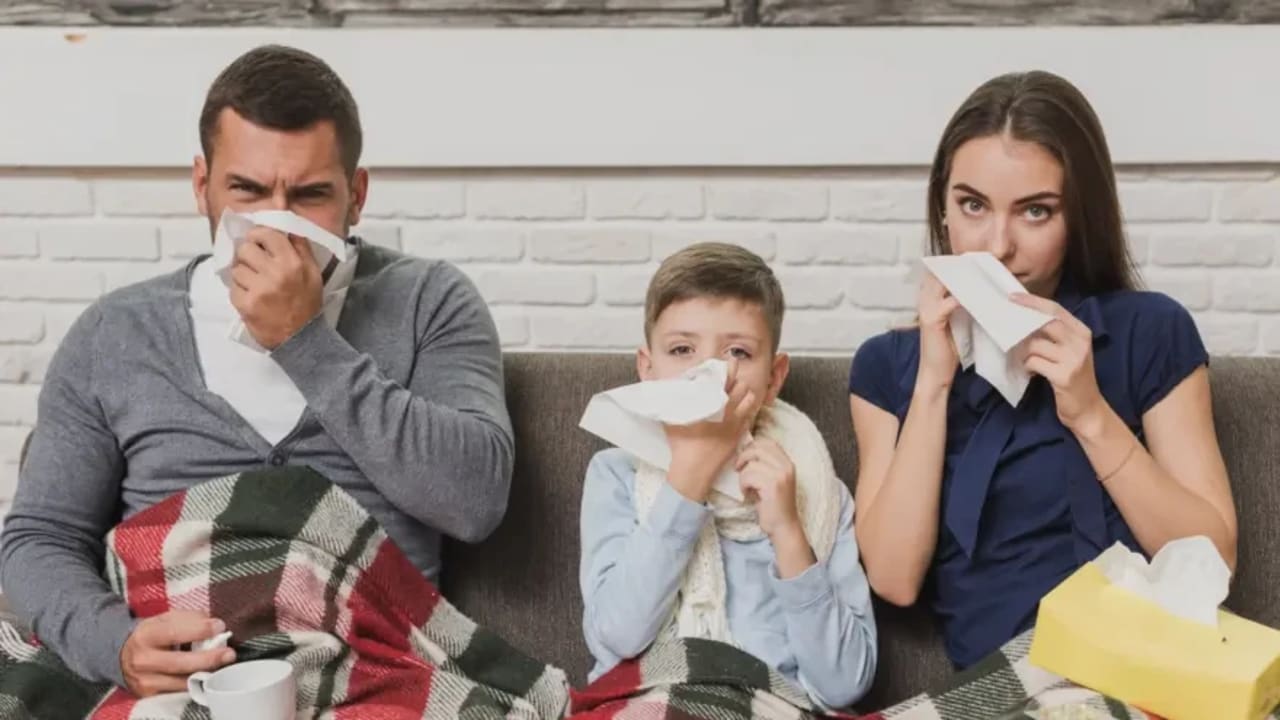
The winter season brings with it an increase in health risks. Populations such as the elderly, young children, and those with chronic illnesses are particularly exposed to medical injuries and complications, some of which can even be life-threatening if not identified and treated in time. Dr. Pavel Peschansky, acting director of the Emergency Medicine Department at Hillel Yaffe Medical Center, presents the main health hazards of winter, who is in an at-risk group, and what can be done to successfully get through the winter.
1. Infectious diseases – flu, COVID-19, and pneumonia
With the arrival of winter, there is an increase in respiratory tract infections, including the flu, COVID-19, and other respiratory viruses. These illnesses can manifest with relatively mild symptoms, yet sometimes they can lead to significant complications, such as pneumonia, hospitalization, and even danger to life. Senior citizens, babies and young children, people suffering from chronic heart and lung diseases, diabetes and kidney disease patients, and people with a weakened immune system are at increased risk, so it is important to be alert to symptoms and seek a medical examination in case of a worsening condition.
To reduce the risk of infection and complications, it is recommended to keep up with vaccinations according to age and Health Ministry recommendations, including flu, COVID-19, and RSV vaccines for the appropriate groups. Alongside this, it is important to make sure to wash hands, ventilate the home even on cold days, avoid close contact with sick people, and stay home during illness to prevent infecting others. It is important to remember that not every winter illness requires antibiotic treatment. Antibiotics are not effective against viruses, and therefore their use should only be done when there is a suspicion or diagnosis of a bacterial infection and in accordance with a doctor's instructions.
2. Hypothermia – a significant drop in body temperature
One of the health hazards in winter is hypothermia – a significant drop in body temperature. This is a condition in which body temperature drops below 35 degrees, and it can be dangerous if not treated in time. In severe cases, the drop in body temperature can impair heart and nervous system function and cause severe medical complications. The risk is particularly high among the elderly, people living alone, those with chronic illnesses, and people suffering from poor nutrition. At an older age, the sensation of cold may be less noticeable, and therefore the elderly do not always recognize in time that their body is cooling down excessively.
To prevent such a condition, it is recommended to maintain a temperature of 20–24 degrees at home, wear warm clothes in several layers, ensure the home is heated during nighttime hours as well, and avoid prolonged stays in the cold and rain. Additionally, it is important to ensure adequate nutrition and hydration and to be alert to the condition of the elderly, especially those living alone. One must pay attention to warning signs such as shivering, unusual weakness, confusion, drowsiness, and slurred speech. The appearance of these signs, especially after exposure to cold, may indicate a dangerous drop in body temperature and requires seeking urgent medical help.
3. Gas poisoning following the operation of faulty/unsafe heating devices
One of the serious and lesser-known hazards in winter is carbon monoxide (CO) gas poisoning. This is a toxic, colorless, and odorless gas emitted from the incomplete combustion of fuels, which can accumulate in closed spaces without its presence being noticed. The gas impairs the blood's ability to carry oxygen to the body's organs, and therefore exposure to it can be life-threatening. Symptoms may manifest as headaches, dizziness, nausea, weakness, and confusion, and in more severe cases, up to loss of consciousness and even danger to life.
To prevent poisoning, it is important to ensure the safe use of heating devices at home. Do not use a barbecue, generator, or heating devices that operate via combustion inside the home or in closed spaces. Proper ventilation must be maintained according to the manufacturer's instructions, and periodic inspections and maintenance must be performed on heating devices. It is also recommended to install a carbon monoxide detector at home, which can alert to the presence of the gas in the air. In case of suspected poisoning, it is important to immediately exit the building into the open air, call for medical help, and not return inside until receiving confirmation from emergency authorities that the place is safe to stay in.

4. Falls and fractures
During winter, the risk of falls, slips, and injuries increases, among other things due to wet sidewalks, slippery surfaces, puddles, and poor visibility conditions. Shoes that are not suited to the weather, physical weakness, or a drop in blood pressure following an illness can also increase the risk of falling. The danger is particularly significant among the elderly population, as a fall or slip at an older age can end in fractures, and primarily a hip fracture, which sometimes requires prolonged hospitalization and can lead to impaired daily functioning and even loss of independence.
To reduce the risk, it is recommended to make sure to wear closed shoes with non-slip soles, avoid walking on wet and slippery surfaces, and be especially careful when leaving the house on rainy days. Inside the home, it is important to ensure good lighting, especially at the entrance and in hallways, and to install grab bars in the bathroom and in places where there is a risk of slipping. In addition, it is recommended to avoid getting up quickly from bed or a chair, and to incorporate regular physical activity that helps strengthen muscles and improve balance.
5. Exacerbation of chronic respiratory diseases
The winter season can be particularly challenging for people suffering from chronic respiratory diseases, such as asthma and chronic obstructive pulmonary disease (COPD). The cold air, viral infections, and prolonged stay in closed spaces can cause a worsening of the respiratory condition and trigger attacks or breathing difficulties. An exacerbation of these diseases may manifest in increased coughing, wheezing, shortness of breath, and an increased need to use inhalers. In some cases, the exacerbation can be significant and require seeking medical treatment and even hospitalization. To reduce the risk, it is important to make sure to take regular medication and use inhalers and a spacer according to the doctor's instructions. In addition, it is recommended to avoid smoking and exposure to smoke, keep up with vaccinations according to medical recommendations, and try to minimize exposure to sick people and factors that may trigger breathing difficulties.
It is important to be alert to any change in the respiratory condition. In the event of worsening shortness of breath, an increase in the amount of phlegm, or a change in its color, it is recommended to seek a medical examination as soon as possible and not wait until a significant exacerbation occurs. Have a safe winter!