Why trusting physics, not politics, once kept Iran in check - opinion
We backed the Iran nuclear deal not out of trust in Tehran but trust in physics. A decade later, Iran’s program is stronger, and the cost of abandoning diplomacy is clear.

We backed the Iran nuclear deal not out of trust in Tehran but trust in physics. A decade later, Iran’s program is stronger, and the cost of abandoning diplomacy is clear.


Three out of the five factory warehouses were seen engulfed in flames.

The militia's threat came as the US Embassy in Israel said it had authorized the departure of non-essential personnel on Friday.

DIPLOMATIC AFFAIRS: Trump’s framing of Iran as a direct security threat to the US in his State of the Union address could shape whether Washington ultimately chooses war over diplomacy.

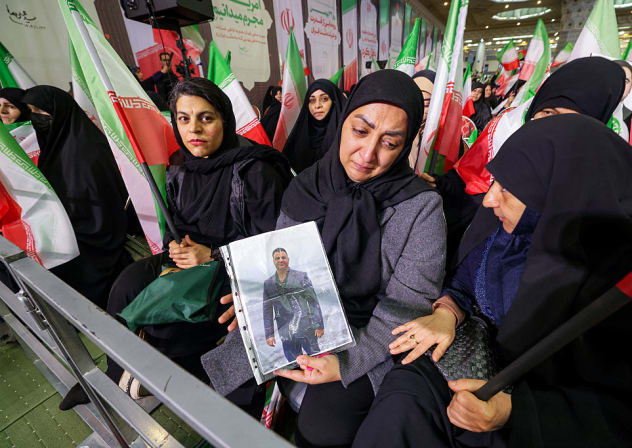
The regime, rights groups stated, would routinely force the families to register their loved ones posthumously as members of the paramilitary Basij militia, a force affiliated with the IRGC.
According to the global commodity data provider site Kpler, the recent average has been approximately 10 million barrels of crude oil and condensate per week.

In his State of the Union address, US President Donald Trump claimed that Iran was “working on missiles that will soon reach” the United States.

Iran and its proxies may attempt direct military action, and mobilize terror attacks or sabotage activity within Israel in retaliation for US strikes, the Alma Research and Education Center analyzed.

The briefing came while the Trump administration's special envoy Steve Witkoff and Trump's son-in-law Jared Kushner were in Geneva holding nuclear talks with Iran.
Hezbollah said that it will stay out of the war and not attack Israel if any American or Israeli attack on Iran is limited to certain Iranian capabilities.

A deal would also have to require thorough accounting for Iran's stock of enriched uranium. Any doubts about that could trigger a new conflict.
