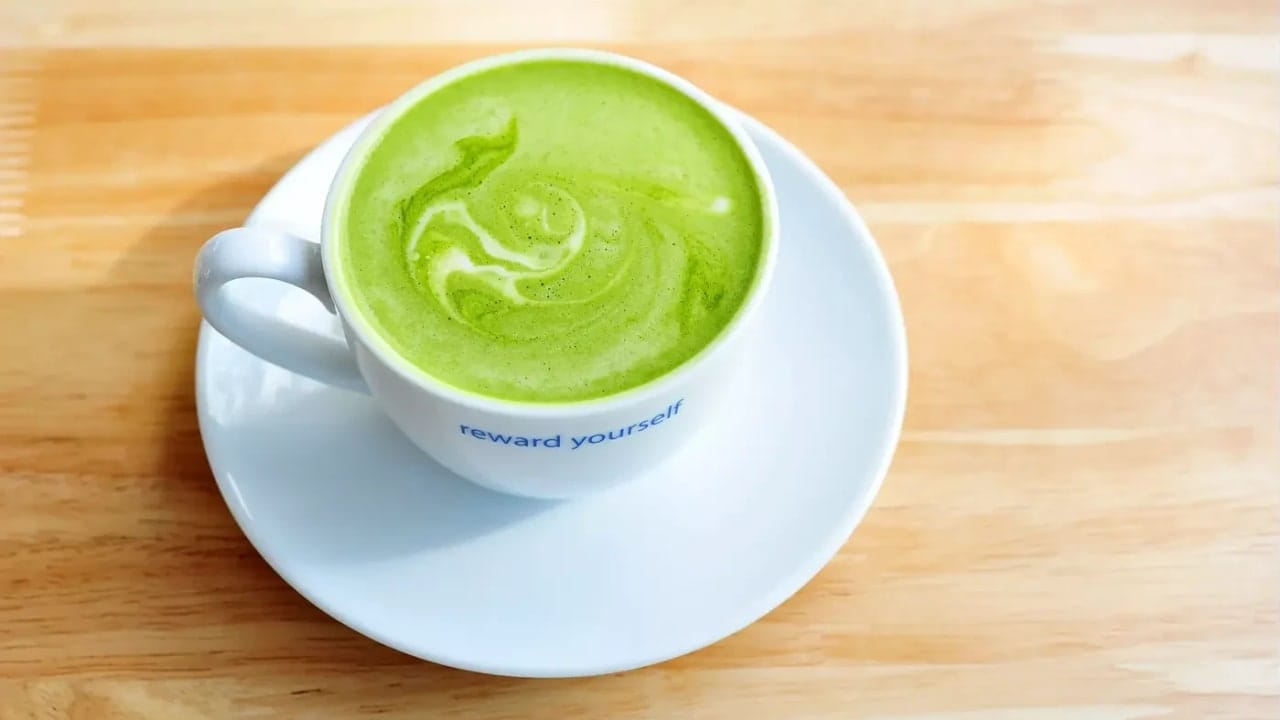
There is a good chance you have already encountered it. A glowing green cup, delicate foam on top, and a picture-perfect photo on social media.
Beyond the aesthetics of Instagram, there lies a drink with a history spanning hundreds of years and serious science behind it. So what is it actually, and why is everyone suddenly crazy about it?
Matcha is not a new invention of one boutique coffee shop or another. Its roots are planted in seventh-century China, where they ground tea leaves into powder and brewed them with salt.
In 1191, a Buddhist monk arrived from China to Japan, bringing tea seeds with him and the preparation method that eventually evolved into what we know today. The monks discovered that the drink helped them stay alert and calm at the same time during prolonged meditation, and since then, matcha has become a central component of the Japanese tea ceremony.
So a passing trend? Not really. More like an approximately 800-year-old drink.
Things worth knowing about matcha
Several times more antioxidants than regular tea
In regular green tea, you steep leaves and discard them. In matcha, on the other hand, you drink the leaf itself, ground into a fine powder.
The result is a huge amount of powerful antioxidants, which help fight free radicals, maintain vascular health, and slow cellular aging processes.

Caffeine like in coffee, but without the crash
A portion of matcha contains a respectable amount of caffeine, fairly close to a cup of espresso. However, unlike coffee, there is no familiar energy crash an hour later.
Matcha contains a unique amino acid called L-theanine, which calms the nervous system while the caffeine wakes it up. This combination provides prolonged alertness along with focus, without jitters and without an accelerated heart rate.
You can think of it like a driver and an escort sitting in a car together: One presses the gas, and the other ensures you do not drive too fast.
When is the best time to drink it?
The perfect time is in the morning or early afternoon, when you need a boost of energy and concentration. Later in the day, it is better to skip it so that the caffeine does not affect the quality of your sleep at night.
Memory improvement, and not just a myth
A study published in 2024 followed nearly 100 older adults with cognitive decline or complaints of forgetfulness for an entire year. Those who drank two grams of matcha a day showed an improvement in the ability to recognize emotions from facial expressions, a measure called social accuracy, compared to the control group. A shorter study from 2020 found an improvement in a general cognitive index, but only among women. That is, there is encouraging evidence, but not sweeping proof of general memory improvement in everyone.
Regarding the weight loss myth, matcha has a very mild effect on the metabolic rate. It is absolutely not magic; it can simply be a nice little addition to a healthy lifestyle.
Interferes with iron absorption
Just like coffee, the antioxidants in matcha may interfere with the absorption of iron from food. However, not all iron reacts the same way, and it is worth knowing the difference.
In iron, there are two families. "Heme" iron, which comes from animal sources such as red meat, poultry, fish, and liver, is absorbed relatively easily and is hardly affected by matcha.
Non-heme iron, which comes from plant sources such as legumes, tofu, spinach, pumpkin seeds, and enriched cereals, is much more sensitive.
The antioxidants in matcha, and especially its main catechin, bind to this plant iron and make it difficult for the body to absorb it.
A study published in The American Journal of Clinical Nutrition examined the issue and found that adding green tea extract to a meal significantly reduced non-heme iron absorption from it. Another study, published in the journal Phytomedicine, examined the main catechin in tea separately and found a certain decrease in iron absorption that was not statistically significant, so the evidence is less conclusive.
The practical meaning: People who eat mainly meat and fish should not be particularly affected. However, those whose diet relies more on legumes, tofu, and leafy vegetables, and especially those with a tendency toward anemia or low iron levels, would do better to space out drinking matcha by about two hours from their main meal.
Adding vitamin C alongside the meal, for example pepper or citrus, also helps the body absorb more of the plant iron and neutralize part of the effect.
Fluoride and heavy metals
In regular green tea, you discard the leaves after steeping. In matcha, you drink the entire leaf, and this is precisely the mechanism that provides more antioxidants, but also more fluoride and heavy metals such as lead, which the plant absorbs from the soil and stores in the leaf.
One to two cups a day do not pose a problem, but heavy drinking throughout the day could accumulate.
Before you think fluoride is actually good – it is important to know: Fluoride in a low, controlled dosage is indeed beneficial for teeth. It strengthens the enamel and significantly reduces the risk of tooth decay, which is why in many countries it is added to drinking water, and it is usually found in toothpastes and fluoride treatments at dentists.
The problem is the dosage. When it comes to monitored water, the quantity is small and carefully measured. But when a plant leaf absorbs fluoride directly from the soil over time, as happens with matcha, there is no control there.
The tea bush may accumulate relatively high concentrations, especially in the mature, lower leaves of the plant. And when you drink the whole leaf rather than just an infusion, you get several times more than what is in a regular cup of green tea.
Excessive exposure over time, mainly in children during tooth development, can cause fluorosis, a condition that causes white spots or streaks on the enamel, and in extreme cases, bone damage – but this mainly occurs with chronic, high exposure, not from a cup or two a day of quality matcha.
Quality and preferably organic matcha also reduces exposure to pesticide residues, which are absorbed into the leaf and do not disappear with washing.
A few more disadvantages
Price – quality matcha, and certainly real ceremonial grade, is significantly more expensive than regular green tea, sometimes several times over. It is a premium product.
Availability and reliability of what you buy – a large portion of what is sold on the market as matcha is not actually ceremonial grade, but regular green tea powder under expensive marketing. There is not much supervision over labeling, so the consumer has to trust the seller.
Caffeine is still caffeine – although it comes with L-theanine and feels gentler, it is still a stimulant. It is not suitable for those sensitive to caffeine, pregnant women, those suffering from heart rhythm disorders or anxiety, or those whose sleep is affected by caffeine in any case.
Interaction with medications – the catechins in matcha can interfere with the absorption or breakdown of certain medications, including blood thinners such as warfarin due to the relatively high vitamin K content in the whole leaf, and additional medications that pass through certain liver enzymes. Anyone taking regular medications should consult a doctor or pharmacist.
The taste is not for everyone – even at the best quality, it has an earthy, bitter taste that requires getting used to, and it is no secret that many people simply do not like it.
How do you know if the matcha is high quality?
The secret is in the color. Real ceremonial matcha comes from the youngest, highest-quality leaves, and its color is a vibrant, bright neon green. Its flavor is delicate and refined.
If the powder you bought tends toward dark olive green, yellowish, or brown, it is lower-quality powder that is likely also bitter and less rich in healthy components.