Jerusalem archaeology
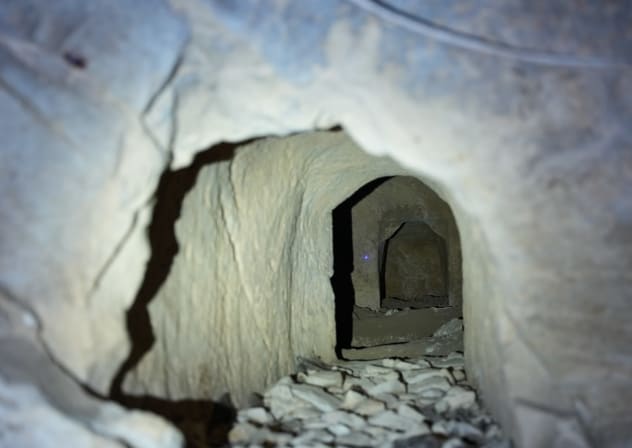
Border Police discover Second Temple-period burial cave during operations in eastern Jerusalem
The discovery came as part of police’s ongoing investigations into the violent clash between two feuding families in Silwan that occurred over the weekend and led to the deaths of three people.

First Temple-era figurine mold unearthed in Jerusalem's 'most significant excavation' in decades

Days before Tisha B'Av: Charred wooden beams from First Temple’s destruction unearthed in Jerusalem

Inside the tragic, decades-long mystery of Qumran's lost Second Temple incense
Davidson Center in Jerusalem Archaeological Park reopens with brand-new modernized experience
The Davidson Center will feature several ancient artifacts, dating back to the First Temple Period 2,700 years ago

Archaeologists stunned at ancient moat, handprints found in Jerusalem
This moat, now dry, was believed to have kept the first Crusaders from breaching the city of Jerusalem.

Art & archaeology meet below the ground of Jerusalem's Old City
An innovative exhibition of the pottery of Nicole Kornberg Jacobovici in Jerusalem

Was proof of biblical kings of Israel, Judah deciphered on Jerusalem rock inscriptions?
Detailed inscriptions of 8th-century BCE Judean King Hezekiah discovered in ‘monumental’ archaeological discovery.

Ancient inscription from City of David may mention king Hezekiah
The tunnel once brought water from the spring outside the city as a safety measure against sieges or other dangerous situations.

‘Arteology’ exhibit showcases archaeology-inspired art at the Western Wall
The exhibit, by Israeli-Canadian artist Nicole Kornberg-Jacobovici, will include clay, stoneware and earthware inspired by Bronze Age Egyptian, Etruscan, Mycenaean and Israelite pottery.

First Temple period elephant-tusk ivories unearthed in Jerusalem
What do expensive ivory plaques from the First Temple period in Jerusalem unveil about the people who owned them?

Israeli archaeologist find where the Romans breached Jerusalem's walls - IAA
In breaching the walls of Jerusalem in 70 CE, the Roman legions stormed the city and destroyed the Second Temple, of the many infamous moments mourned on Tisha Be'av.

New segment of Hasmonean aqueduct to Jerusalem exposed in capital neighborhood
An engineering feat of ingenuity allowed the aqueduct that served as Jerusalem's main water supply to be in use for 2000 years. A new section of it was found in Armon Hanatsiv.

Ceramic vessels from Jerusalem may have been ancient grenades - study
The residue of explosive material in the findings from 11th-12 century Jerusalem indicates that it may have been locally made.
