Sleep
A small change that affects the brain: How to survive daylight saving time smoothly
Soon the clock will move back one hour, but our biological clock does not always synchronize at the same speed. A doctor explains what happens to the body during the transition to winter time.
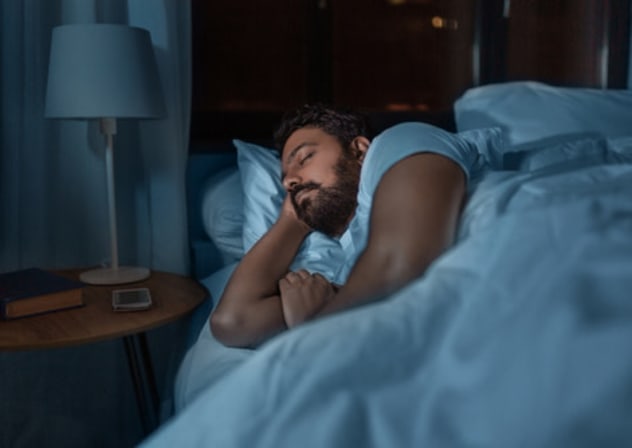

Before the next holiday meal, you should know what happens to your body

Here is how to get your child back to regular sleep hours starting now

A mental health reset: How to manage phone habits, sleep, and relationships to improve life
Study finds 20-minute naps boost creative problem-solving
University of Hamburg researchers found that a 20-minute nap with deep N2 sleep boosts chances of creative breakthroughs and increases the likelihood of experiencing a true 'eureka moment.'

Tired from Israel-Iran war: A good snooze is not a luxury
“This research underscores that war reaches far beyond the battlefield,” said the researchers. “Even those not in direct danger face deep and lasting impacts – sleepless nights being among them.”

Sleep deprived and pushing through: The view from central Israel amid Iran missiles - opinion
Israelis were jolted awake on June 13, and for the weeks that followed, they were not able to catch a full night's sleep and spent their days running to and from shelters, extracting a heavy toll.

Orangutans nap longer after restless nights, long-term rainforest study reveals
Researchers monitored 53 adult apes in the sumatran rainforest for fourteen years and found their naps extend five to ten minutes for each lost hour of night sleep.

No compromises on sleep quality: 5 tips for choosing a recommended mattress
A good night's sleep starts with a smart choice—not with a tempting sale. Five tips that will give you a drama-free night.

Scientists discover: The nutritional habit that improves sleep quality within a day
We all suffer from a lack of sleep and from less mindful, more scattered eating. A recent study has revealed what should be added to the diet in order to see improvement as early as the next day.

Israel's coffee-fueled zombies: The struggles of sleep during war with Iran
If you are walking around since June 13 like a pie-eyed zombie, and plying yourself with pots of coffee all day long, you are not alone.

Add this food to your dinner to sleep better
Many people struggle with sleep disorders, and there can be several reasons for this. Our diet has a significant impact—so what should we eat a few hours before bedtime?

Why the war with Iran is different from anything we’ve known – and how it affects us all
How the disruption of sleep during wartime nights affects our concentration, mood, and daily functioning – and what we can do to cope better.

Especially now: The natural drink that aids sleep and contains only two ingredients
We’re all suffering from a lack of sleep, but there is something that can help you fall asleep better—even if you’ve woken up in the middle of the night. Here’s how to prepare the magic drink.
